How to Choose an Energy‑Efficient Electric Kettle

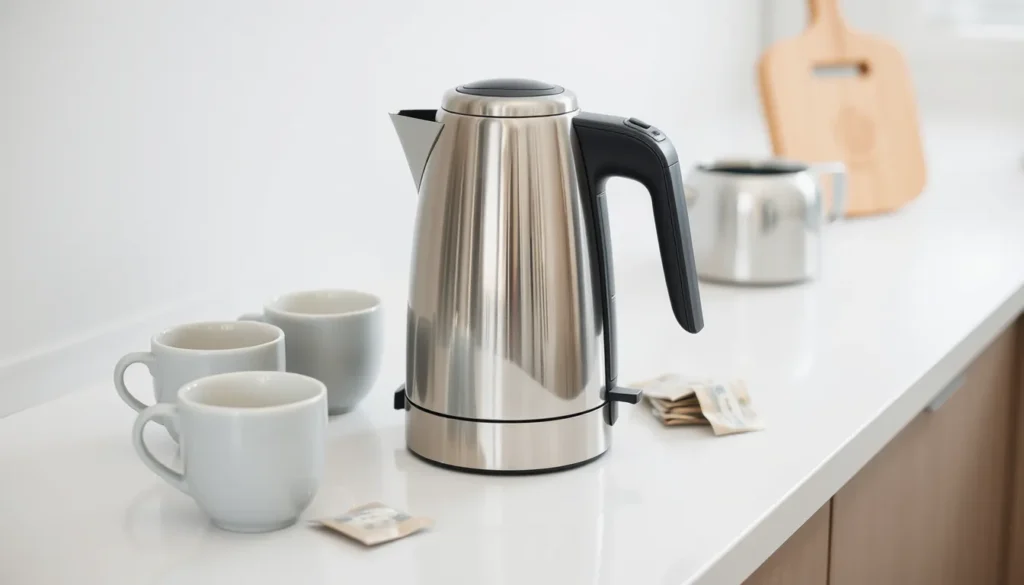
If you are tired of vague “energy-saving” labels, this guide breaks down the physical mechanics of electric kettles. It explains how wattage, thermal insulation, and auto-shutoff features directly dictate your power consumption. You will learn to distinguish between marketing claims and actual design elements that reduce electricity waste.
This is for anyone looking to lower utility costs without sacrificing daily convenience. By understanding how heat retention and boil-dry protection work, you can select a model that aligns with your specific usage habits. The focus is on practical, measurable factors that ensure your kettle operates efficiently from the first pour to the last.
Understanding the Relationship Between Power and Efficiency
A common misconception suggests that lower wattage equates to higher energy efficiency. In reality, this logic fails when applied to boiling water. Energy efficiency in this context is defined by how effectively electrical energy converts into heat that remains within the water, rather than dissipating into the environment. The total energy consumed depends on both the power rating and the duration of operation.
Higher wattage kettles deliver more thermal energy per second. This accelerates the heating process, significantly reducing the time-to-boil. Because heat loss occurs continuously during the heating cycle, a shorter boil time means less energy is wasted warming the surrounding air. Conversely, a low-wattage kettle takes longer to reach boiling point. Over that extended period, heat continuously escapes through the vessel walls and lid, requiring the element to work harder to compensate for those losses. Consequently, a high-wattage model often uses less total electricity to boil the same volume of water than a lower-power alternative. When evaluating power consumption, focus on the rate of heat transfer rather than the sticker price of the wattage alone.
The Role of Insulation and Material
Heat loss occurs continuously during the boiling process and persists after the water reaches temperature. The physical construction of the kettle dictates how much energy escapes into the surrounding air versus remaining in the water. Single-wall metal kettles offer minimal thermal insulation, allowing rapid heat transfer through the walls and lid. This means the heating element must work harder to maintain temperature, increasing overall power consumption.
Double-wall construction significantly improves thermal efficiency by creating an air gap between the inner and outer shells. This trapped air acts as a barrier, slowing the rate of heat dissipation. Vacuum insulation takes this further by removing air from the space between walls, drastically reducing convection and conduction. Consequently, insulated models retain heat longer and waste less energy heating the ambient air.
When comparing models, look for stainless steel or glass interiors paired with insulated outer shells. While a single-wall kettle may heat water quickly, it cools just as fast, leading to higher cumulative energy usage if you boil water in smaller batches or reuse it over time. Better insulation ensures that the energy input is directed toward boiling the water rather than compensating for constant thermal leakage. This design choice directly impacts long-term electricity costs and operational efficiency.
Essential Safety Features That Prevent Energy Waste
While insulation manages heat loss, safety mechanisms control the heating cycle itself. Two critical components, auto-shutoff and boil-dry protection, ensure that power consumption stops exactly when it should. Without these features, a kettle could continue drawing significant wattage long after the water reaches boiling point or if the vessel is empty. This not only poses a fire hazard but also results in pure energy waste, as electricity is converted to heat with no useful purpose.
Auto-shutoff mechanisms typically use a thermal sensor to detect when the water temperature peaks. Once boiling is reached, the sensor triggers a switch that breaks the circuit, cutting power to the heating element. This prevents the “simmer” phase where energy is wasted keeping already-boiled water hot. Boil-dry protection serves as a secondary safeguard. If the kettle is turned on without water, or if the water evaporates completely, this feature detects the abnormal temperature rise in the base or element. It immediately shuts off the unit, preventing the element from overheating and drawing excessive current.
These features are not just about preventing damage; they are fundamental to efficient operation. A kettle that relies on manual switching requires user vigilance to stop the draw. Integrated sensors remove this variable, ensuring that every watt of energy used goes toward heating the water, not maintaining an unsafe or inefficient state. When selecting a model, verify that both protections are present and clearly labeled.
Design Features That Impact Heat Retention
Once the water reaches its boiling point, preventing heat loss is just as critical as generating the heat. A tight-fitting lid is the first line of defense. Steam carries significant thermal energy; if the lid seal is loose or the hinge mechanism is weak, that energy escapes into the air rather than staying in the water. Look for lids with rubber gaskets or silicone seals that create an airtight barrier. This simple mechanical detail ensures that the heat generated by the element remains contained within the vessel.
The spout shape also plays a subtle but important role in overall efficiency. A well-designed spout promotes controlled pouring, reducing the likelihood of spills or over-pouring. If you frequently spill water or fill your cup more than necessary because of poor flow control, you are effectively wasting the energy used to heat that excess water. A curved, ergonomic spout allows for precise direction, ensuring you use only the amount of water required for your beverage.
Finally, consider the handle construction. While the handle itself does not generate heat, its material and attachment affect how long the kettle can stay on the base without losing stability. A secure, heat-resistant handle ensures the kettle remains seated properly on the power base, maintaining consistent contact and preventing accidental tilting that could lead to spills or uneven heating.
Matching Kettle Capacity to Your Usage
Matching your kettle’s capacity to your actual water usage is one of the simplest ways to reduce power consumption. Boiling more water than you need wastes energy, as the heating element must work to raise the temperature of excess liquid. Conversely, using a large kettle to boil small amounts repeatedly can be inefficient due to fixed heat losses that occur with each cycle. The goal is to select a size that aligns with your typical daily habits.
Assess how you usually drink tea or coffee. If you primarily prepare single servings for yourself, a smaller capacity kettle is ideal. It heats less water, resulting in lower wattage usage per boil. For households where multiple people prepare beverages simultaneously, a larger capacity model may be more practical. However, ensure you do not consistently fill the kettle to the maximum level if you only use half the water. Overfilling leads to unnecessary energy expenditure.
Consider a middle-ground capacity if your needs vary. Some users find that a medium-sized kettle balances the risk of waste with the convenience of fewer refills. By accurately estimating your average volume per session, you avoid the inefficiency of heating excess water. This direct match between capacity and demand ensures that every unit of electricity used contributes to the beverage you actually consume, rather than warming unused water that cools down before use.
Maintenance for Sustained Efficiency
Limescale is the primary enemy of long-term energy efficiency in electric kettles. As water boils, dissolved minerals precipitate and settle on the heating element. Over time, this layer of mineral deposits acts as an unintended insulator. While thermal insulation is desirable for the kettle body to retain heat, it is detrimental when it forms on the internal heating coil. This barrier forces the element to operate at higher temperatures for longer durations to transfer the same amount of heat to the water. Consequently, power consumption increases, and the time required to reach a boil extends, leading to unnecessary electricity waste.
Regular descaling is the most effective maintenance strategy to counteract this degradation. By removing these mineral deposits, you restore the direct contact between the heating element and the water, ensuring optimal heat transfer. This simple routine keeps the wattage output working as intended, rather than compensating for thermal resistance. Check the manufacturer’s guidelines for the recommended descaling frequency, which often depends on local water hardness. Consistent maintenance ensures that the auto-shutoff and boil-dry protection systems function correctly, as heavy scale can sometimes interfere with sensor accuracy. Keeping the interior clean maintains the kettle’s designed efficiency profile throughout its lifespan, preventing a gradual, unnoticed rise in energy costs.
